Diagnostics
"Rapid diagnostics could save lives and dramatically reduce unnecessary antibiotic use"
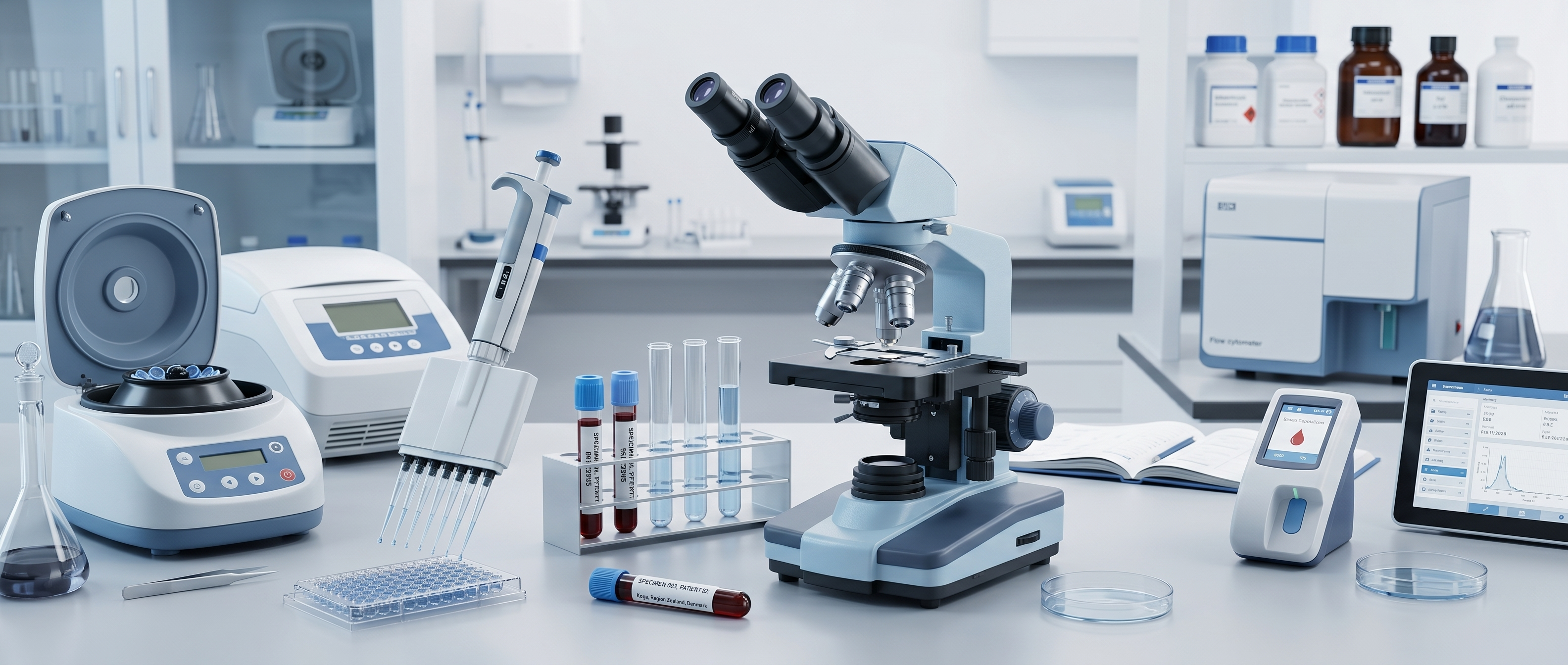
This category is dedicated to the field of diagnostics, which focuses on the rapid and accurate identification of pathogens and their resistance profiles. Effective diagnostics are a cornerstone of antimicrobial stewardship, as they provide the crucial information needed to move away from broad-spectrum antibiotic use towards targeted, effective treatment.
Content covers the development and application of Rapid Diagnostic Tests (RDTs), Point-of-Care (POC) devices, advanced Antimicrobial Susceptibility Testing (AST) methods, and molecular diagnostics. The category also includes the search for biomarkers that can differentiate between bacterial and viral infections, a key strategy to reduce unnecessary antibiotic prescribing. Ultimately, the goal is to ensure the right drug is used for the right bug at the right time.
Diagnostic tools and technologies play a crucial role in the effective management of bacterial infections. Accurate and timely diagnostic tools help clinicians identify the specific pathogen responsible for an infection, which enables targeted treatment with the right antibiotic, at the correct dose, and for the appropriate duration. This precision avoids both undertreatment and unnecessary use of antibiotics, which are key drivers of antimicrobial resistance (AMR), i.e. rational pharmacotherapy. Improved diagnostic modalities also allow for monitoring resistance patterns within hospitals and health systems, helping to track which bacteria are becoming harder to treat. Faster and more accurate tests empower clinicians to choose targeted therapies instead of broad-spectrum antibiotics, further reducing the risk of resistance and improving patient outcomes.
In summary, antimicrobial diagnostics are essential for:
- Ensuring effective and responsible antibiotic use
- Preventing unnecessary prescriptions
- Monitoring resistance trends
- Supporting antimicrobial stewardship programs
These functions and novel solutions in the field collectively help slow the spread of AMR and preserve the effectiveness of existing antibiotics which is the very focus and purpose of this category.
News
View allRekord för svensk life science - men vartannat bolag saknar anställda
Abstract
Den bredare statistiken ligger i stora drag i linje med den uppgång som tankesmedjan ECIPE beskriver i en ny rapport, beställd av branschorganisationen Lif. – Jag skulle säga att andra aktörer i det svenska innovationssystemet för läkemedel har fått större betydelse, men AstraZeneca är och förblir en mycket viktig aktör i systemet, skriver han. Tillväxten är fortfarande koncentrerad ECIPE lyfter också fram en sammanställning av 25 läkemedels- och bioteknikföretag som rapportförfattarna klassar som svenska små och medelstora företag utifrån huvudkontorets land. Läkemedelsvärldens summering av rapportens underlag visar att de 25 bolagen tillsammans hade 1 289 anställda 2023, att elva redovisades med noll i nettoomsättning i rapportförfattarnas kalkylblad, att de fem största stod för omkring 53 procent av gruppens FoU och tre företag för cirka 83 procent av omsättningen.Sewers reveal signs of chlamydia near college campus with few reported cases
Abstract
A city's sewers say a lot about its residents. Sick people often shed pathogens in their waste, adding traceable amounts of bacteria and viruses to wastewater. Testing that wastewater offers a simple, low-cost way to monitor the spread of disease—a practice that began with polio in the 1940s and became more widespread during the COVID-19 pandemic. Today, the CDC's wastewater monitoring program tests for a variety of common and emerging viruses.Marc Stegger modtager årets forskningslegat fra Fritz Kauffmanns Forskningsfond
Abstract
Marc Stegger fra Statens Serum Institut (SSI) blev fredag tildelt årets forskningslegat fra Professor dr.med. Fritz Kauffmanns Forskningsfond på baggrund af sin stærke akademiske profil og mangeårige forskningsindsats inden for mikrobielle patogener og antibiotikaresistens. Marc Steggers forskning har blandt andet bidraget til udviklingen af genombaserede metoder og en national infrastruktur for mikrobielle sekvensdata, som kan understøtte diagnostik, overvågning og forskning. Forskningslegatet gives til støtte for Marc Steggers fortsatte forskning og skal blandt andet bidrage til, at han kan videreudvikle sine forskningsområder og udbygge de samarbejder, der kendetegner hans arbejde. Det betyder meget for mig, at fonden ønsker at støtte den forskning, jeg har arbejdet med gennem mange år, og som jeg håber kan være med til at gøre en forskel i vores forståelse af infektionssygdomme og mulige behandlinger, siger Marc Stegger."