Existing Antibiotics
"the thoughtless person playing with penicillin is morally responsible for the death of the man who finally succumbs to infection with penicillin-resistant organism. I hope this evil can be averted."
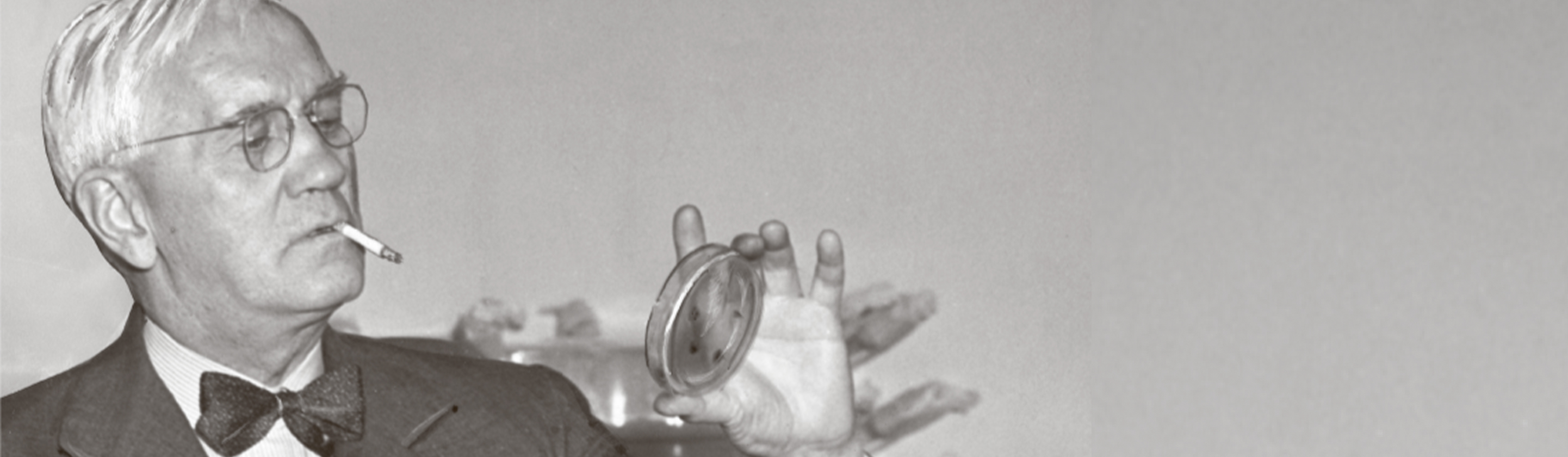
This category is about existing antibiotics, how they evolved and are used and to a certain extent also for what else antimicrobials can be utilized. Focus is on antibiotics although antifungals are also covered. Antibiotics have a surprisingly dramatic history - a mix of accidental discoveries, scientific leaps, and global consequences that shaped modern medicine. A quick tour through that timeline shows how profoundly they changed human health.
News
View allPharma wins a battle over the cost of wastewater treatment in Europe
Abstract
In a boost for the pharmaceutical industry, a European Union Advocate General recommended annulling part of a directive that requires drug and cosmetics manufacturers to finance at least 80% of the costs of wastewater treatment. The directive, which revised an earlier version and went into effect early last year, was designed to protect human health and the environment from harmful discharges of urban wastewater and ensure cleaner rivers, lakes, groundwater, and coasts across Europe. A key portion of the initiative is a quaternary treatment stage" that involves removing micropollutants — which are mostly created by pharmaceuticals and cosmetics — from wastewater. Member states must ensure that companies contribute to programs to deal with the waste they generate by December 2028."New Pathway to Bacterial Antibiotic Resistance
Abstract
Researchers uncover how bacteria pump an antibiotic out of their cells, offering new clues to drug resistance Bacteria can survive antibiotics in several ways, including by pumping the drugs out of their cells before they can take effect. Researchers at the University of Osaka have discovered a previously unknown mechanism that allows the bacterium responsible for many cases of pneumonia and meningitis to export the antibiotic fosfomycin. These structures revealed key regions involved in recognizing the antibiotic and suggest how the pump changes shape to take up fosfomycin and release it outside the cell. 1 Caption: Schematic of fosfomycin transport by the streptococcal ABC transporter FoeAB Credit: Atsushi Taguchi Notes The study was published in Proceedings of the National Academy of Sciences on August 28, 2026 at DOI: https://doi.org/10.1073/pnas.2535933123.Stewardship Pharmacists and Physicians Take the Lead on Sustainability
Abstract
When the shortage of Baxter IV fluids that followed Hurricane Helene in late 2024 strained hospital supplies, antimicrobial stewardship pharmacists at Cleveland Clinic, in Ohio, added a provider-facing alert that prompted clinicians to order oral azithromycin and oral doxycycline at the point of prescribing, rather than waiting for a pharmacist to review each case for an IV-to-oral switch (Antimicrob Steward Healthc Epidemiol 2026,6[1]:e163). The share of azithromycin orders written for oral administration rose significantly, leading to a major drop in the plastic waste generated by IV azithromycin administration across the hospital system—down from 550 kg to about 280 kg per analysis period. Savings reached five figures a month.